Telemetry Nurse Q&A: Kayla's Career in Nursing and Educating
May 13, 2026
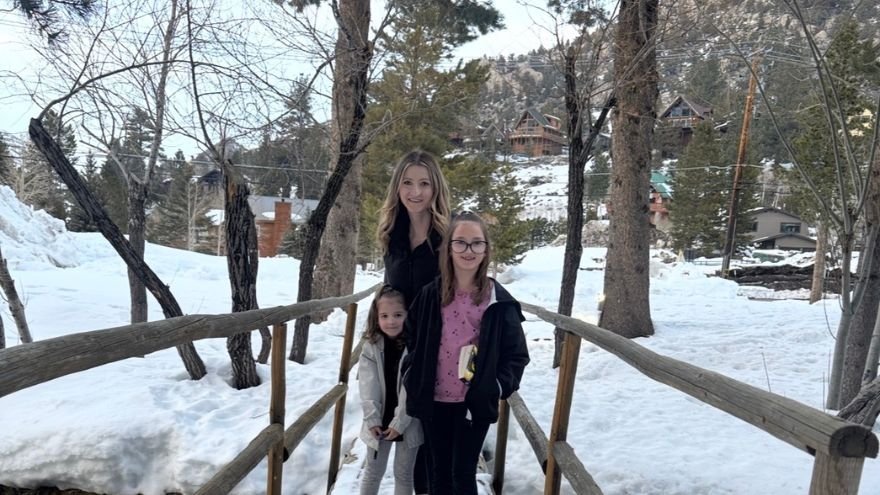
In honor of National Nurses Month, we’re continuing to highlight the nurses who make an impact across Renown Health. This week, we’re featuring Kayla, a telemetry (Tele) nurse whose role spans bedside care, education and team support. She shares more about her path into nursing, what her role looks like today and what continues to motivate her in this Q+A.
What inspired you to pursue a career in nursing?
My interest in nursing began as a teenager while helping care for my grandmother. That experience sparked a genuine curiosity about healthcare. In high school, I volunteered at a skilled nursing facility for a school project, which further solidified my passion. From there, I progressed from a home caregiver to CNA, EMT and eventually a nurse. The medical field has always felt like the most natural path for me. I enjoy forming meaningful connections with patients and appreciate the constant challenge of anticipating and meeting their needs.
Can you describe your current role and what a typical day looks like?
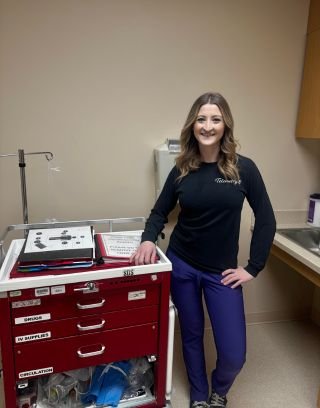
Most of my shifts are spent at the bedside on Tele, where I enjoy building rapport with patients and watching their progress. I also spend some of my time teaching advanced cardiac life support (ACLS) and Basic Life Support (BLS) renewal courses for Renown employees. A few times a month, I lead mock codes for the progressive care unit (PCU) module. Additionally, I run the high-performance code committee for Tele 8 and PCU, which helps keep me current on ACLS updates and hospital emergency protocols. I love the balance of bedside care and education, and I value the opportunity to support and strengthen our team.
What’s one thing people might not realize about your role?
Beyond bedside care, I also play a role in instructing, including my committee work and mock code training.
What do you enjoy most about your work?
I enjoy teaching patients about their illness and supporting nurses while they learn something new. I strive to be a safe resource where nurses can ask critical questions and think through complex situations. Helping others feel prepared in emergencies ultimately improves patient outcomes and strengthens our team’s response.
What skills or qualities are most important in your role?
Patient advocacy is essential. Staying current with American Hospital Association (AHA) guidelines and hospital emergency procedures is also critical, and my involvement in my committee work and ACLS/BLS instruction helps me maintain that knowledge.
How does your role contribute to patient care or the overall team?
I believe our team is more confident and effective in emergencies because of the practice we get during mock codes. With my diverse experience, many team members come to me to discuss ideas or troubleshoot situations, and I enjoy collaborating to find the best solutions for patient care.
What has been a meaningful or memorable moment in your career so far?
There are many, but the moments that stand out most are when a patient expresses gratitude for their care or when a nurse tells me, “You taught me that.” Those reminders are incredibly meaningful.
How has your perspective on nursing evolved over time?
When I first started, I felt pressured to prove that I knew all the answers. Over time, I’ve learned the value of asking for help, collaborating and recognizing that no one has all the answers. Nursing is a team effort and embracing that has made me a stronger nurse.
What keeps you motivated in your work?
Watching nurses grow into confident advocates for their patients motivates me every day. I also find fulfillment when a patient tells me they finally understand their diagnosis after we talk. I feel successful when I know my patients are cared for to the best of my abilities.
What advice would you give to someone considering a career in nursing?
Starting in an entry-level role such as a CNA or patient transporter can be incredibly helpful. It builds comfort at the bedside and provides a strong foundation for understanding patient care. It’s important to remember that we often meet people on their hardest days. You won’t know everything, and that’s okay, but it’s vital to stay curious and committed to finding solutions.
Have you utilized any of the Career Development Opportunities that Renown offers? If yes, please explain that experience and what it meant to you.
Whenever I see an opportunity, such as becoming an ACLS/BLS instructor, I talk with my management team. I’ve been trained in several roles, including charge nurse, flex, open hearts and more. Renown has helped me explore many avenues beyond my primary role, such as tuition reimbursement for my bachelor’s of science degree in nursing (BSN) and assistance with my PCCN (Progressive Care certified Nurse).
At Renown Health we appreciate our nurses and staff so much for the constant hard work and care they provide to our patients and community. Take a moment to celebrate and thank the nurses around you for the care, dedication and support they bring every day.
For physicians seeking a career that combines patient care, research, teaching and leadership, finding the right opportunity can make all the difference. When Dr. Gingrich joined Renown Health in 2024 as a surgical oncologist and assistant professor of surgery at the University of Nevada, Reno School of Medicine (UNR Med), she found the chance to do all four while serving the community she calls home.
For patients in Fallon, Silver Springs and the surrounding rural northern Nevada communities, access to quality healthcare is a top priority. Some drive over two hours just to see a primary care provider or walk into an urgent care clinic. Practice Site Leader Erin (formerly a Sr. Medical Assistant for Renown Medical Group – Fernley) is one of the dedicated team members ensuring those patients feel seen, heard and cared for the moment they walk through the door.
What started as an externship close to home has grown into a fulfilling career marked by mentorship, professional growth and a deep passion for patient care. We sat down with Erin to learn more about her journey.
Dr. Jose Cucalon Calderon combines patient care, teaching and advocacy to help build a healthier Nevada through the partnership between Renown Health and the University of Nevada, Reno School of Medicine (UNR Med).