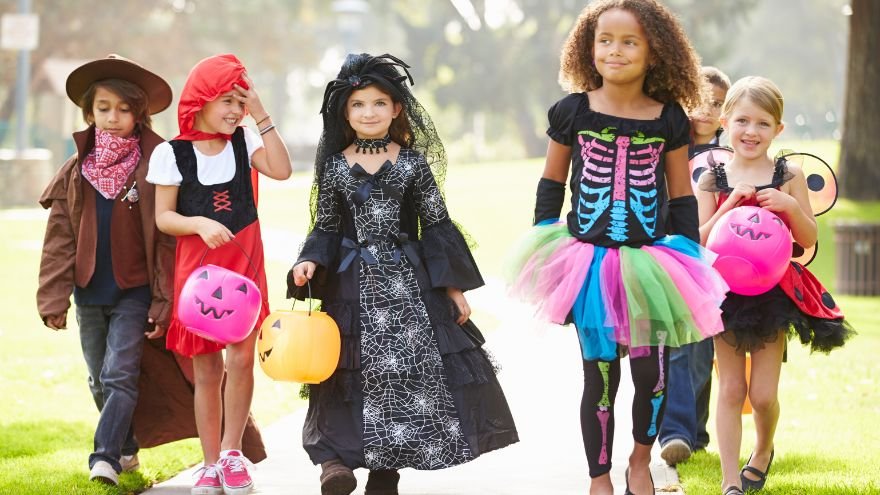
Halloween is around the corner. So while you're prepping pumpkins for carving, putting together creative costumes and coordinating trick-or-treating plans, safety is one more detail to remember.
Masks, haunted houses, witches, ghosts and ghouls — it all spells Halloween, and what could be more frighteningly fun, right? For children, however, Halloween can indeed be frightening and not so fun.
According to Dr. Kristina Deeter, Physician-in-Chief of Renown Children’s Hospital and Chair of Pediatrics for the University of Nevada, Reno School of Medicine, it is common for younger children to express Halloween fears — being afraid of monsters, the dark or really anything out of the norm. “It's normal for children to struggle with separating reality from fantasy,” she explains.
For children who fall into this category, the month of October can be traumatizing. Halloween may not come until the end of the month. Still, in the weeks building up to the spookiest night of the year, little ones are bombarded on all sides with decorations — mummies, skeletons, coffins, vampires, you name it. For a child with a blossoming imagination who, as Dr. Deeter said, is still learning to differentiate real from pretend, this can cause additional fears and anxieties. In commemoration of Halloween Safety Month, Dr. Deeter shares safety tips for the spooky holiday from the American Academy of Pediatrics (AAP):
Dressing Up & Heading Out
Costumes:
Plan costumes that are bright and reflective. Ensure shoes fit well and that costumes are short enough to prevent tripping, tangling or coming into contact with flames. Check the weather to plan costumes that won’t be too hot or cold and include layers, if needed.
Consider adding reflective tape or striping to costumes and trick-or-treat bags and baskets for greater visibility.
Masks can limit or block eyesight. Instead, consider non-toxic makeup and hats, which should fit properly to prevent them from sliding over the eyes. Test makeup ahead of time on a small patch of skin to test for allergies before full application.
Props and Accessories:
When shopping for costumes, wigs and accessories, look for and purchase those with a label clearly indicating they are flame resistant.
If a sword, cane or stick is a part of your child's costume, make sure it is not sharp or long to avoid unintentional injuries.
Do not use decorative contact lenses without an eye examination and a prescription from an eye care professional. While the packaging on decorative lenses will often make claims such as "one size fits all," or "no need to see an eye specialist," obtaining decorative contact lenses without a prescription is both dangerous and illegal. This can cause pain, inflammation, serious eye disorders and infections, which may lead to permanent vision loss.
Carving Pumpkins
Leave the carving to the grownups. Have children draw the pumpkin design with markers, but keep knives away.
Consider using a flashlight or glow stick instead of a candle to light your pumpkin. If you do use a candle, a votive candle is safest.
Candlelit pumpkins should be placed on a sturdy table, away from curtains and other flammable objects, and not on a porch or any path where visitors may pass close by. They should never be left unattended.
Prepping Your Home
Keep your entryway safe for trick-or-treaters by removing all items from the porch or front yard that a child could trip over, like garden hoses, toys, bikes and lawn decorations.
To ensure visibility, check outdoor lights and replace burned-out bulbs.
Sweep leaves (or snow) from sidewalks and steps.
If there are dogs in the home, take steps to ensure they don't jump on trick-or-treaters.
Hunting for Treats
Young children should always be accompanied by a parent or responsible adult.
Give each child and adult a flashlight (with fresh batteries).
If older children are heading out to trick-or-treat alone, plan and review a route you can agree on, as well as a specific time they are supposed to return home.
Only visit homes with a lit porch light. Never enter a home or a car for a treat.
Notify law enforcement authorities of any suspicious or unlawful activity immediately.
Review with children how to call 9-1-1 (or their local emergency number) if they ever have an emergency or become lost.
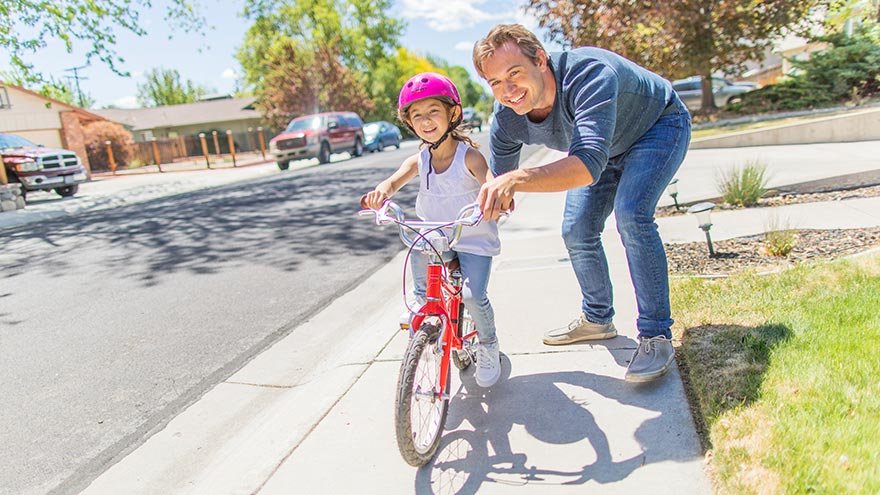
Since pedestrian injuries are the most common injuries to children on Halloween, remind youngsters to take crosswalk safety precautions.
Candy
Check treats for choking hazards before letting young ones eat.
Toddlers should not have hard candies, caramel apples, popcorn, gum, small candies, pumpkin seeds or anything with whole nuts.
Check all labels to avoid allergic reactions.
Other Activities for Children Too Young to Trick-or-Treat
For children too young to trick-or-treat, check your local recreation center, school or library for a list of other activities that are offered for babies and toddlers.
According to the AAP, “Book readings, Halloween parades, events at the zoo or botanical gardens, pumpkin festivals and activities at children’s museums are all fun things to do with small children to get them in the Halloween spirit.”
Protecting Kids as Respiratory Virus Season Begins
As the holidays approach, pediatricians typically see an increase in respiratory illnesses such as flu and COVID-19 and encourage families to get children vaccinated before flu season reaches its peak.
For more key tips regarding Halloween safety for your young trick-or-treaters, visit our partners at Safe Kids Worldwide for a variety of spooky safety resources.
Safe Kids Washoe County
Safe Kids Washoe County is led by Renown Health and uses evidence-based programs such as car-seat checkups, safety workshops and sports clinics to help parents and caregivers prevent childhood injuries.
Choosing a pediatrician is an important decision. After all, this is someone who may care for your child from their first checkups through their teenage years.
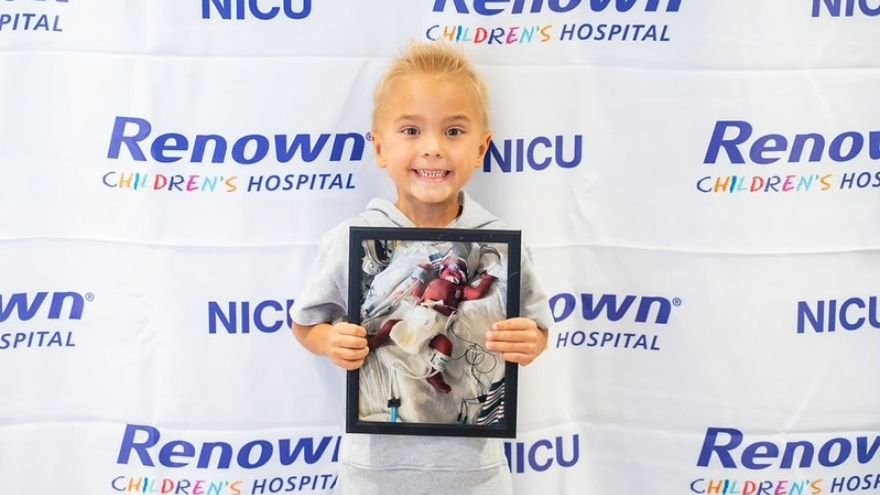
Renown Children’s Hospital reconnected former neonatal intensive care unit (NICU) patients of all ages with their physicians, nurses and care teams on Saturday, Sept. 26 during the annual NICU Graduation.
August is Children’s Eye Health and Safety Month, an important time to learn more about myopia, or nearsightedness. Myopia is a condition that affects millions of children around the world. Researchers estimate that about one in three teenagers are currently affected, and 40% of the world’s children could have myopia by the year 2050.