Bringing home a new baby is an exciting time filled with special moments, new routines and plenty of questions. One of the most important things parents and caregivers can do is create a safe sleeping environment for their little one.
Following American Academy of Pediatrics (AAP) recommended safe sleep practices can help reduce the risk of sudden infant death syndrome (SIDS) and other sleep-related infant deaths. Whether it's bedtime or a quick afternoon nap, every sleep is an opportunity to keep your baby safe.
What Is the Safest Way for a Baby to Sleep?
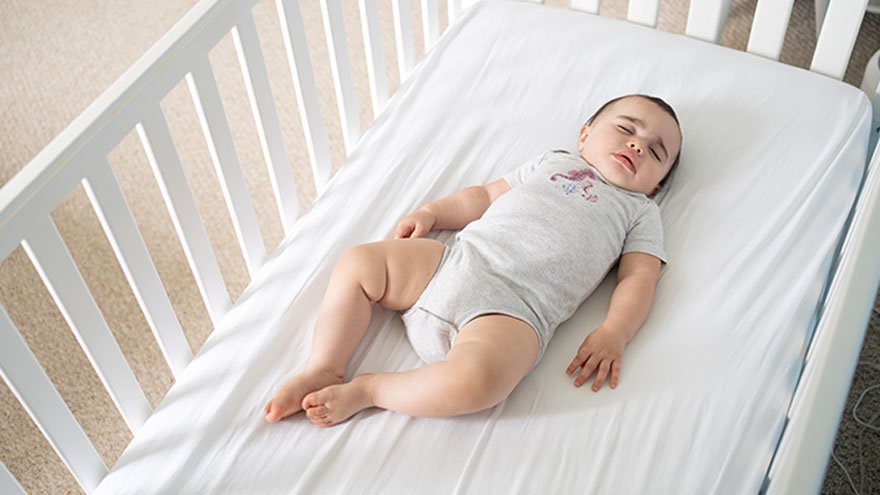
The safest way for babies to sleep is on their backs, on a firm, flat surface in a crib, bassinet or play yard that meets current safety standards.
According to the American Academy of Pediatrics parents and caregivers should follow these important safe sleep recommendations:
- Always place your baby on their back. Babies should sleep on their backs for every nap and nighttime sleep until their first birthday.
- Choose a firm, flat sleep surface. Use a safety-approved crib, bassinet or play yard with a fitted sheet.
- Keep the sleep space clear. Remove pillows, loose blankets, stuffed animals, crib bumpers and other soft objects that could increase the risk of suffocation.
- Dress your baby for comfort. Instead of loose blankets, consider a wearable sleep sack to keep your baby warm without overheating.
- Check for product recalls. Look for products that meet current safety standards and visit www.recalls.gov to check for recalls or safety concerns.
Should Babies Sleep in the Same Room as Their Parents?
Yes! Room-sharing without bedsharing is recommended for at least the first six months of your baby's life. Keeping your baby's crib or bassinet close to your bed makes night-time feedings, comforting and monitoring easier while providing a separate, safer place for your baby to sleep. Although sharing a bed may seem convenient, adult beds, couches and recliners can pose serious risks, including suffocation and accidental entrapment.
How Does Smoking Affect Infant Sleep Safety?
Exposure to cigarette smoke and other tobacco products can increase a baby's risk of SIDS and other health problems.
To help protect your baby:
- Keep your home and car smoke-free.
- Avoid smoking or vaping around your baby.
- Ask family members and visitors who smoke to do so outside, away from your baby.
- Encourage anyone who smokes to wash their hands and change into clean clothing before holding your baby.
Creating a smoke-free environment is an important step toward supporting your baby's health and well-being.
Why Is Safe Sleep Important for Every Caregiver?
Safe sleep practices aren't just for parents. Grandparents, babysitters, family members and childcare providers all play an important role in keeping babies safe.
Make sure everyone caring for your baby understands and follows the same sleep recommendations. Consistency helps create a safer environment, whether your baby is sleeping at home, visiting family or spending time with another caregiver.
What Are the ABCDs of Safe Sleep?
Remembering safe sleep recommendations doesn't have to be complicated. The ABCDs of Safe Sleep are an easy way to keep the basics in mind:
- A — Alone: Babies should sleep in their own sleep space without loose blankets, pillows, toys or other soft objects.
- B — On Their Backs: Always place babies on their backs for every sleep.
- C — In a Crib: Use a safety-approved crib, bassinet or play yard with a firm, flat mattress and fitted sheet.
- D — Don't Smoke: Keep your baby's environment free from cigarette smoke, vaping aerosols and other tobacco exposure.
Helping Your Baby Sleep Safely, Every Day
By creating a safe sleep environment and sharing these recommendations with everyone who cares for your baby, you can help protect your little one during every sleep.
At Renown Health, we're committed to helping families feel informed, supported and confident as they prepare for their baby's arrival and navigate the early stages of parenthood.
Prepare for Baby With Renown Health's Parenting Classes
Renown Health offers educational classes to help parents, grandparents and caregivers build confidence in caring for their little ones.
Explore these classes:
- Safe Start: Infant & Child Safety
- Infant & Child CPR/Choking
- Newborn Care Class
- Grandparents: Getting Started
Visit www.renown.org/pregnancy to explore upcoming classes and register.
For questions contact Stevie Poehland, Maternal Child Education Coordinator by emailing MCE.Poehland@renown.org or calling 775-982-4352.