
Gastroenterology & Digestive Health

Digestive Health Care at Renown
A referral is required to schedule care with Renown Gastroenterology.
Call 775-982-2250
Fax 775-982-8073
Digestive concerns can affect your comfort, daily activities and quality of life. Whether you're experiencing ongoing symptoms, need a routine screening or have been diagnosed with a gastrointestinal (GI) condition, getting the right care is important.
Renown Health is committed to helping patients access the information, evaluation and care they need to support their digestive health.
Specialized Care for Digestive Disorders
Gastroenterology focuses on the digestive system, including the esophagus, stomach, intestines, liver, pancreas and gallbladder. From preventive screenings to evaluating digestive symptoms, gastroenterology care can help identify conditions and guide treatment decisions.
Conditions We Treat
Colon and Rectum Conditions
- Anal Fissures and Fistulas
- Colorectal Cancer
- Diverticulosis and Diverticulitis
- Learn more about these common digestive conditions.
- Hemorrhoids
- Irritable Bowel Syndrome (IBS)

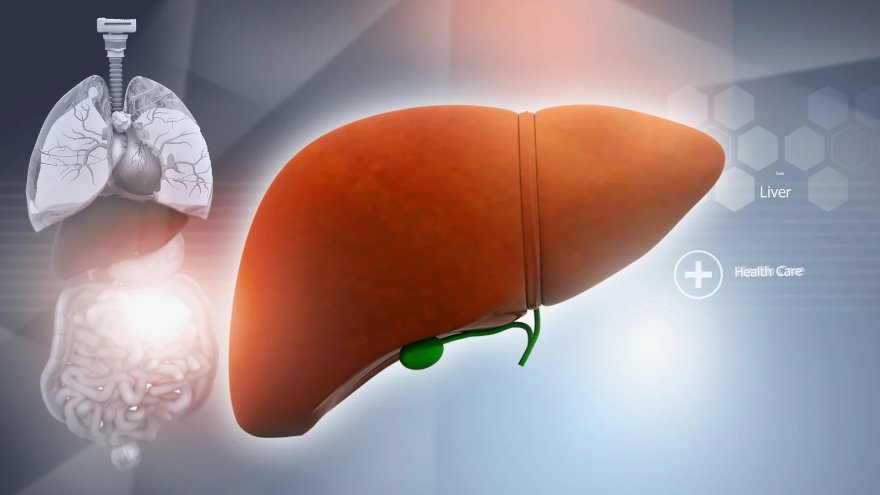
Liver Conditions
- Alcohol-Associated Liver Disease
- Alpha-1 Antitrypsin Deficiency
- Autoimmune Hepatitis
- Cirrhosis of the Liver
- Drug-Induced Liver Injury
- Fatty Liver Disease
- Hepatitis
- Liver Cancer
- Primary Biliary Cholangitis (PBC)
- Pregnancy-Related Liver Disease
- Portal Hypertension
- Esophageal and Gastric Varices
Intestinal Conditions
- Bowel Obstructions and Abdominal Adhesions
- Celiac Disease
- Inflammatory Bowel Disease (Ulcerative colitis and Crohn’s disease)
- Small Intestinal Bacterial Overgrowth (SIBO)

Pancreatic Biliary Disease
- Pancreatitis
- Pancreatic cancer
- Chronic pancreatitis
- Bile duct stones
- Bile duct cancer
- Pancreatic insufficiency

Other Gastrointestinal Conditions
- Barrett’s Esophagus
- Gastroparesis
- Understanding GERD
- Pancreatitis
- Peptic Ulcers

Gastroenterology FAQ
Gastroenterology is a medical specialty focused on digestive health and conditions affecting the esophagus, stomach, intestines, liver, pancreas and gallbladder.
A gastroenterologist can help evaluate ongoing digestive symptoms, including frequent heartburn, abdominal discomfort, changes in bowel habits and other gastrointestinal concerns.
Many adults at average risk should begin colorectal cancer screening at age 45. The appropriate screening test and schedule depend on your personal and family health history.