
PCOS Symptoms, Causes and Treatment
Irregular periods, stubborn acne, unwanted hair growth or trouble getting pregnant can sometimes seem unrelated. But for many people, these symptoms may be connected to polycystic ovary syndrome (PCOS).

Heart disease affects more women than many people realize. In fact, it is the leading cause of death among women in the U.S., taking the lives of about 305,000 women each year. That’s about 1 in every 3 female deaths.
More than 60 million women in the U.S. are living with some form of heart disease. Yet many don’t see themselves at risk—only about half (56%) know it’s the leading cause of death for women.
Reviewed by Dr. Benjamin Ebner, board-certified interventional cardiologist specializing in advanced cardiovascular care at Renown Health.
When people think of a heart attack, they often imagine intense chest pain. But for women, the signs are often less obvious—and easier to miss.
Many women experience what’s known as “atypical” heart attack symptoms. These may not feel urgent, but they can be just as serious.
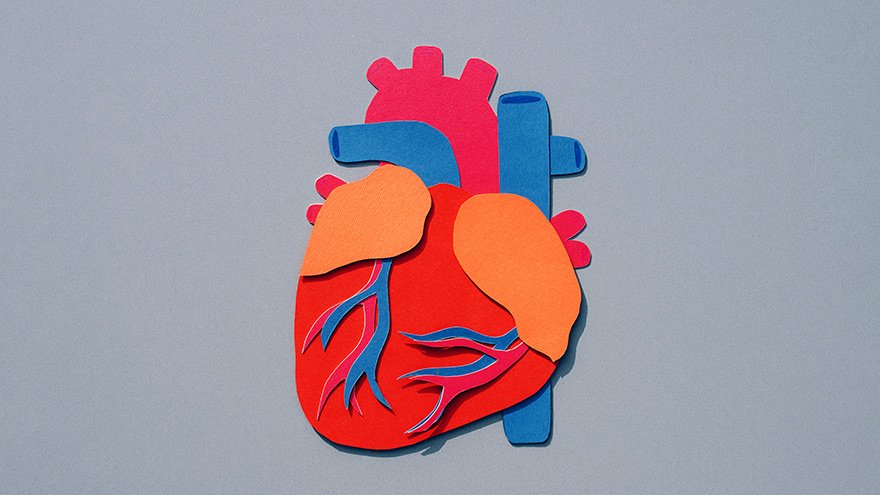
About 43% of women don’t have chest pain during a heart attack.
This can delay treatment or lead to missed warning signs.
Several health conditions and lifestyle habits can raise a woman’s chance of having a heart attack. Some of these are more common after menopause, but many start earlier in life.
Stress and depression may also have a bigger impact on women’s heart health compared to men.
While heart disease becomes more common with age, younger women are not immune. In recent years, more heart attacks are being seen in women between ages 35 and 54.
Certain types of heart attacks—such as spontaneous coronary artery dissection (SCAD)—are also more likely to affect younger women and may not be caused by clogged arteries.
The good news is that heart disease is often preventable. Knowing your numbers, recognizing symptoms early, and making healthy lifestyle choices can make a big difference.
If something feels off, trust your instincts. Don’t wait—call 911 if you notice warning signs, especially if symptoms are mild to moderate in intensity and lasting continuously for several minutes.
And remember: heart disease doesn’t always follow the rules. Getting help early can save your life.