La Planificación Anticipada de la Atención Médica ayuda a asegurar que tu voz sea escuchada, que tus deseos sean respetados y que tus seres queridos no tengan que adivinar en momentos difíciles. No es solo para más adelante en la vida—los cambios inesperados de salud pueden ocurrir a cualquier edad, y planificar juntos fortalece a nuestra comunidad.
¿Quiénes Pueden Asistir?
Este taller está abierto a la comunidad hispanohablante de Reno y el norte de Nevada.
Mission in Motion: Advancements in Behavioral Health Crisis Care
When the Renown Crisis Care Center (RCCC) reopened in November, it marked a significant milestone for behavioral health services in our community. At the heart of that success was the leadership and dedication of Jimmy Lao, MSN, CCRN, CNE, Director of Nursing, Emergency Services at Renown Health.
Remember the 2000s era iPhone commercial with the “There’s an App for That” tagline? Let’s put a healthcare spin on that – at Renown Health, there’s a unit for that. Emergency, labor and delivery, pediatric acute care, trauma, surgery, the list goes on.
When it comes to critical care, your mind probably jumps to either the intensive care unit (ICU), emergency room (ER) or a unit that provides care for a more standard hospitalization. But what about the patients who fall in between those two levels of care?
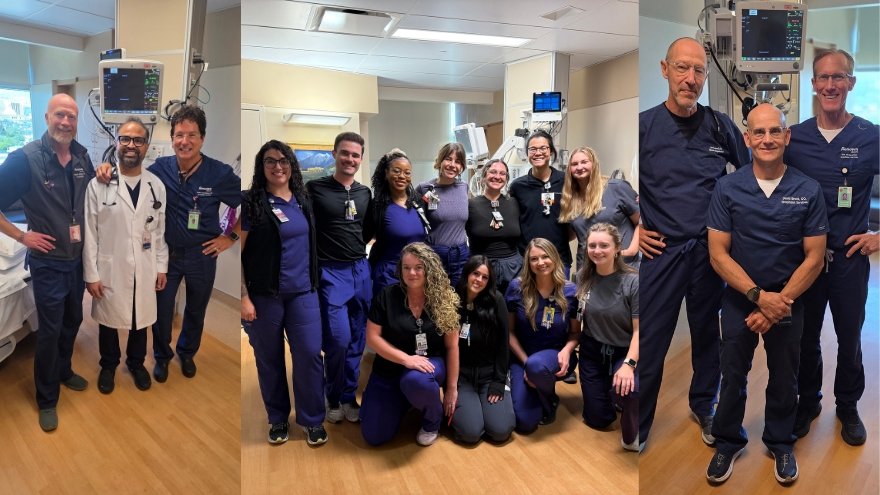
Yep, there’s a unit for that at Renown, too. It’s called the Intermediate Care Unit (IMCU), located on the sixth floor of the Tahoe Tower (T6) at Renown Regional Medical Center, boasting a dedicated team of nurses, physicians, critical care technicians and more.
The IMCU cares for patients who still need close monitoring and specialized care but don't need an ICU stay. Everyone in this department shares common missions: catch early signs of change, intervene swiftly and help patients progress to a lower level of care – and eventually, back home.
August is National Make-a-Will month. We talked to Renown Health Foundation Planned Giving Officer, Abbey Stephenson, to learn more about wills, trusts and estate plans and why you should feel motivated this month to get started.
Did you know that 2/3 of Americans don't have a will or trust? If this is you, don’t worry, you’re not alone.
Although there are laws in place to determine who inherits your assets if you die without a will or trust, having a will or trust ensures your assets go where you want them to go after you are gone. They can also help minimize disputes between family members and heirs about who gets what. In Nevada, the laws that govern who gets what if you die without a will or trust can be found in Chapter 134 of the Nevada Revised Statutes.
There are other documents that people often prepare at the same time as their will or trust – like an advance health care directive and durable power of attorney for assets. These documents all together are called an estate plan.
Although they have other purposes too (like nominating a guardian for a child, planning for disability or avoiding probate, which is a court process), wills and trusts are documents that say who will receive your assets after you are gone. The most common type of trust is often called a revocable living trust or a family trust. People who have a trust usually still have a will, although it is a shorter form of will called a pour-over will. It’s a good idea to talk to an estate planning attorney about whether or not a trust makes sense for your family or circumstances.
Now that you’re ready to get started, here are some mistakes to avoid: