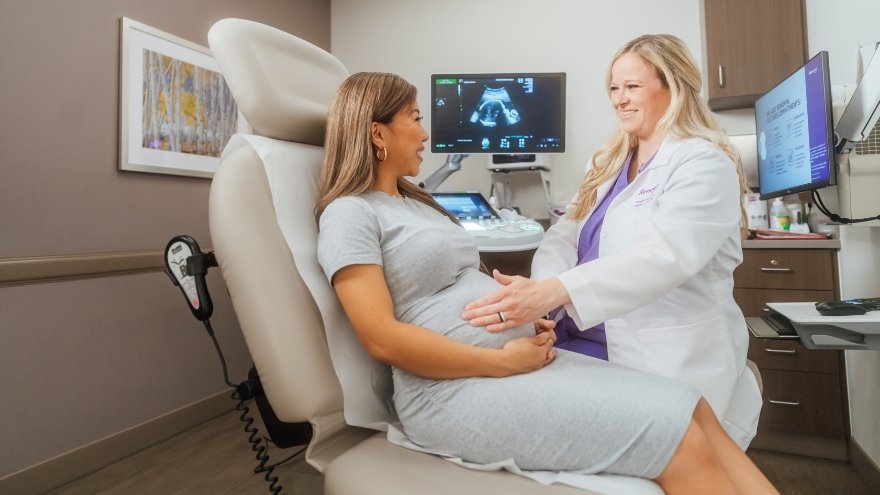
At Renown Health, we often discuss the importance of both healthcare – how we treat people when they are sick or injured – and health – how we keep people well in their mind, body and spirit. This conversation is as important for the patients we serve as it is for our healthcare providers.
It’s well known that the medical field can impose challenging and even unhealthy expectations for healthcare workers. Long hours and physically and emotionally demanding work can lead to burnout. Yet, until recently, these issues were rarely discussed openly.
Because the role of healthcare providers is to care for other people, they may feel uncomfortable asking for help themselves. The good news is that more and more physicians and professional associations are talking about burnout. Hospitals are also taking action to address concerns like mental and emotional fatigue.
We need our workforce to be healthy in mind, body and spirit. That’s why we support our team by educating them on the warning signs of burnout. Renown Health also trains management-level employees to care for those who need help. We encourage employees to talk openly about these challenges and encourage them to access the many services available to our employees that can help them live well.
Caring for people is central to Renown Health’s mission. We believe this applies to both our patients and our teammates.
At Renown’s Crisis Care Center, Peer Support Specialists help patients through some of the hardest moments of their lives with compassion, practical support and a steady presence. We sat down with Valerie Butler, a Peer Support Specialist at the Crisis Care Center, to talk about what brought her to this work, what a typical shift looks like and why crisis care is such a critical resource for our community.
May is Mental Health Awareness Month, and this year, we want to focus on a topic that doesn't receive enough attention: mental health during pregnancy and the postpartum period.
For patients with substance use disorders (SUD), hospitalization can be a critical opportunity to begin treatment and recovery. Renown Health's new inpatient consultation-liaison service brings board-certified physicians directly to the bedside to provide evidence-based care, support and care coordination for patients experiencing SUD.